Fellowships by Major, International Status, or Topic

Zoë Sobel ’14
Zoë Sobel ’14, 2019 Luce Scholar

Fellowships by Major,
International Status, or Topic
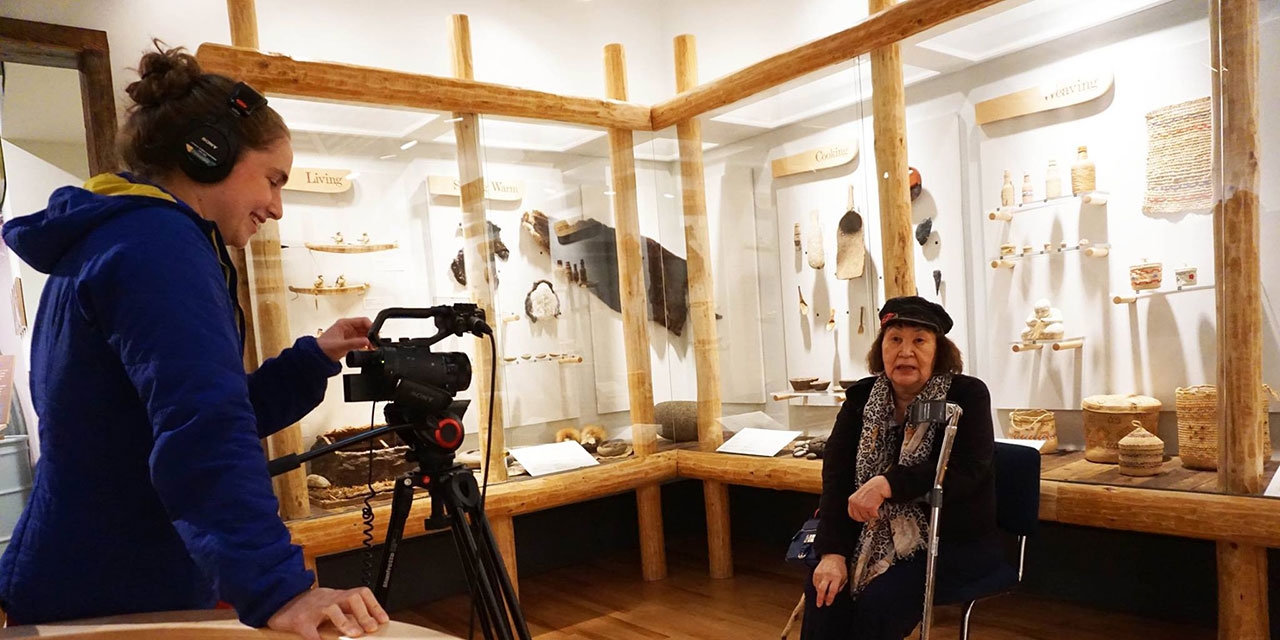
This page offers the opportunity to explore fellowships by major/discipline (arts/humanities, sciences, social sciences), international student status, or activity/purpose (travel, service, teaching, graduate school, and more). Begin your fellowship journey below!

Fellowships by Major or International Status

arts/humanities

Arts/Humanities

From travel fellowships, to scholarships for graduate study, and beyond, learn about the many funding opportunities open to students and graduates in the arts or humanities.

microscope

Sciences

Research, graduate or professional study, independent projects, and so much more — there are hundreds of funding opportunities for the STEM students and graduates of every nationality.

people

Social Sciences

Funding opportunities in the social sciences include independent projects, graduate study, travel fellowships, studying a language, teaching, and more. What opportunity is right for you?

globe

International Students

It's a common — but untrue— myth that fellowships and scholarships are only open to U.S. applicants. Learn about opportunities for students and graduates of any nationality.

Fellowships by Topic

grad school

Graduate or Professional Study Fellowships

There are more fellowships and scholarships than you might think there are to help fund graduate or professional study. Let us help you find them!

service

Service

Fellowships can be a way to participate deeply in service. Learn more by exploring the resources after the link!

teaching

Teaching Fellowships

One of the common “purposeful activities” that fellowships can fund is teaching: in the U.S. or abroad; opportunities with or without previous teaching experience; and at all levels of instruction, from elementary school to university level and beyond.

plane

Travel

If your dream is travel, there are fellowships that offers funding to pursue that dream. Learn more by exploring the resources after the link.

language study

Language Study/Study Abroad

About 45% of Wellesley students pursue study abroad during their time as an undergraduate—and fellowships and scholarships can help support that study! Explore this resource for specific opportunities and advice on how to get started.

undergraduate research

Undergraduate Research

It is a common misconception that fellowships are only open to seniors and graduates—there are actually many fellowships and scholarships that support undergraduates! This page is a resource for students looking for fellowships to support undergraduate research.

Contacts

CV (curriculum vitae) Guidelines

Wellesley Career Education logo
Wellesley Career Education

Your CV or curriculum vitae is similar to your resume. It clearly represents your current and past experiences and accomplishments so that your reader can understand the unique value that you bring to a job/internship/academic program. A few important differences to keep in mind about your CV are outlined in this document, along with helpful tips for format and content.

Ronald E. McNair Scholars Program at Wellesley College (sophomores and juniors)

Kate Dailinger
Kate Dailinger

The McNair Scholars Program is a federal TRIO program funded at 187 institutions across the United States and Puerto Rico by the U.S. Department of Education. At Wellesley, the McNair Scholars Program is STEM focused, and applications are typically due in November each year.
“I was motivated to fight for environmental justice in my community after hearing about the respiratory illnesses that many children were diagnosed with as a result of the environmental contamination we live with.”

Science Research

Alexis Trench
Alexis Trench

Participating in research experiences as an undergraduate is an excellent way to add depth to your science understanding and actively engage with what you are learning in the classroom. By doing so, you further develop your laboratory, analytical, and problem-solving skills, and you start to build your network with faculty members. Research experiences are valuable components to your resume, and they can make you more competitive for both graduate school and industry opportunities.