Class of 2027 Fellowship Planning

Fellowships

Class of 2027 Planning

So, what are your plans for after graduation?

From a relative, from a friend, from an alum; at a holiday dinner or campus event or just in passing: this question is stressful to hear, even if you do have an idea of what you’ll be doing after Wellesley. (Believe us: we graduated many eons ago, and even typing that question has made this author flinch involuntarily.) 

The good news is that fellowships and scholarships might provide an answer to that age-old, flinch-inducing question! Fellowships and scholarships can fund graduate or professional study, purposeful travel, professional placements, self-designed projects, and so much more. They can help you build your experience and qualifications, help you explore a passion, and clarify a path forward, no matter your major, citizenship, or GPA.

Even more good news: smart and as capable as you are, you don’t have to go it alone. The Fellowships team is here the whole year ’round (including over the summer), and we can help you explore your interests, identify opportunities, brainstorm ideas, review drafts, choose recommenders, and much more. No matter where you are in the process—including “I don’t even know what a fellowship is!”—we’d love to talk with you!


Jump to...

Timeline  |  Getting Started  |  Draft  |  Apply  |  FAQs


Timeline Overview

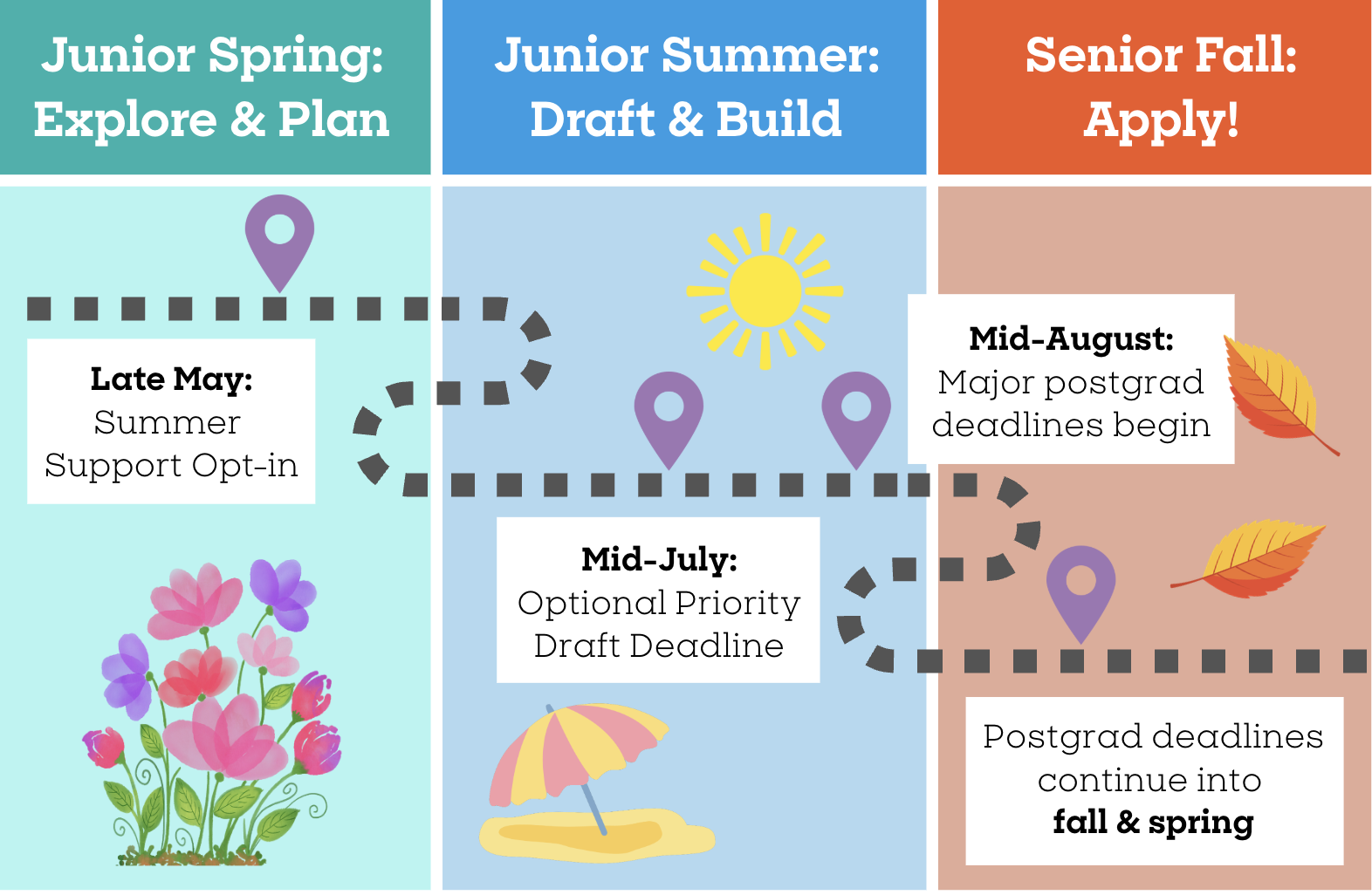
The timeline below is meant to give you a rough sense of the postgraduate fellowship application cycle, particularly the earliest deadlines and support programs. Generally speaking, it is ideal but not required that you start planning your postgrad applications starting your junior spring, but if that isn’t possible, that’s okay! No matter when you start, the Fellowships team is happy to help.*

* One quick caveat here: mid-July through mid-October is the be-all-end-all, cuckoo-for-Cocoa-Puffs busiest season for the Fellowships office, so it is very difficult to book an individual advising appointment during that time. That doesn’t mean you’re on your own though!  You can still attend Fellowships Virtual Pop-ups (offered weekly!), and planning ahead (for instance, opting-in for our Summer Support Program and meeting the Optional Priority Draft Deadline) will allow you to do a smaller amount of work over a longer period of time.

Getting Started: Explore & Plan

It’s hard to know where to start, so consider this: in an ideal world, what would you do after graduation? What topic would you be stoked to explore, where would you love to travel, what questions would you be most excited to ask?  Often dreaming big is the best place to start, and from there, we can help you figure out what that might look like in practice and what opportunities would align best with those goals.

Here are some helpful resources to help guide your search:

Bonus resources:

  • Submit this worksheet by 12:00 PM (noon) EST on Thursday, May 21, 2026 to opt-in to our Postgrad Fellowships Summer Support Program, which gives you special access to appointments throughout the summer!
  • Graduate School

Draft & Build

The best writing advice in the history of the world (according to one member of the Fellowships team) is that you can’t edit nothing. Put another way, don’t let perfection be the enemy of the good: it is wildly unlikely that your application materials will be perfect and polished on the first try. The most important thing is to understand what materials you need, by when you need them, and then start getting your ideas down. 

In case you’d like some helpful templates and resources…

  • Timeline & Materials template
  • Resume and CV guidance
  • Asking for Letters of Recommendation
  • Personal Statement resource
  • Optional Priority Draft deadline: submit your drafts (even if they’re still rough!) here by 12:00 pm EST (noon) on July 13, 2026 to guarantee yourself one draft review appointment in advance of any fall fellowship deadline, even during our busiest season!  (Submission instructions and link coming in early May!)

Apply (and keep planning!)

One of the handiest things about fellowship applications is that, odds are, the work that you’ve done developing your ideas and articulating your goals will stand you in good stead for the next application you might pursue—reduce, reuse, and recycle!  What other opportunities might interest you.

Get Inspired!

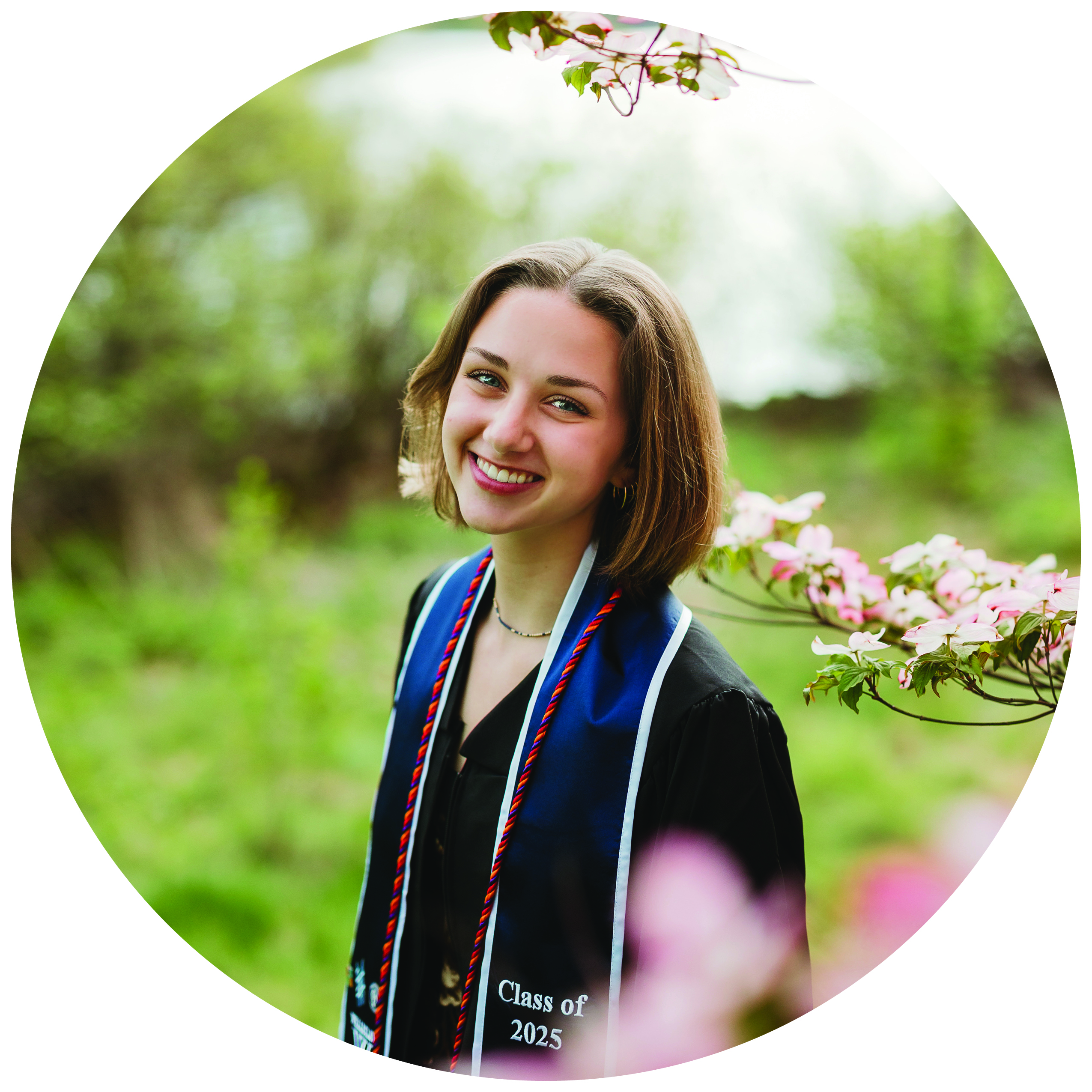
Miranda
Miranda is teaching English in France with TAPiF (Teaching Assistants Program in France).
Miranda Christ ’25
Political Science and French
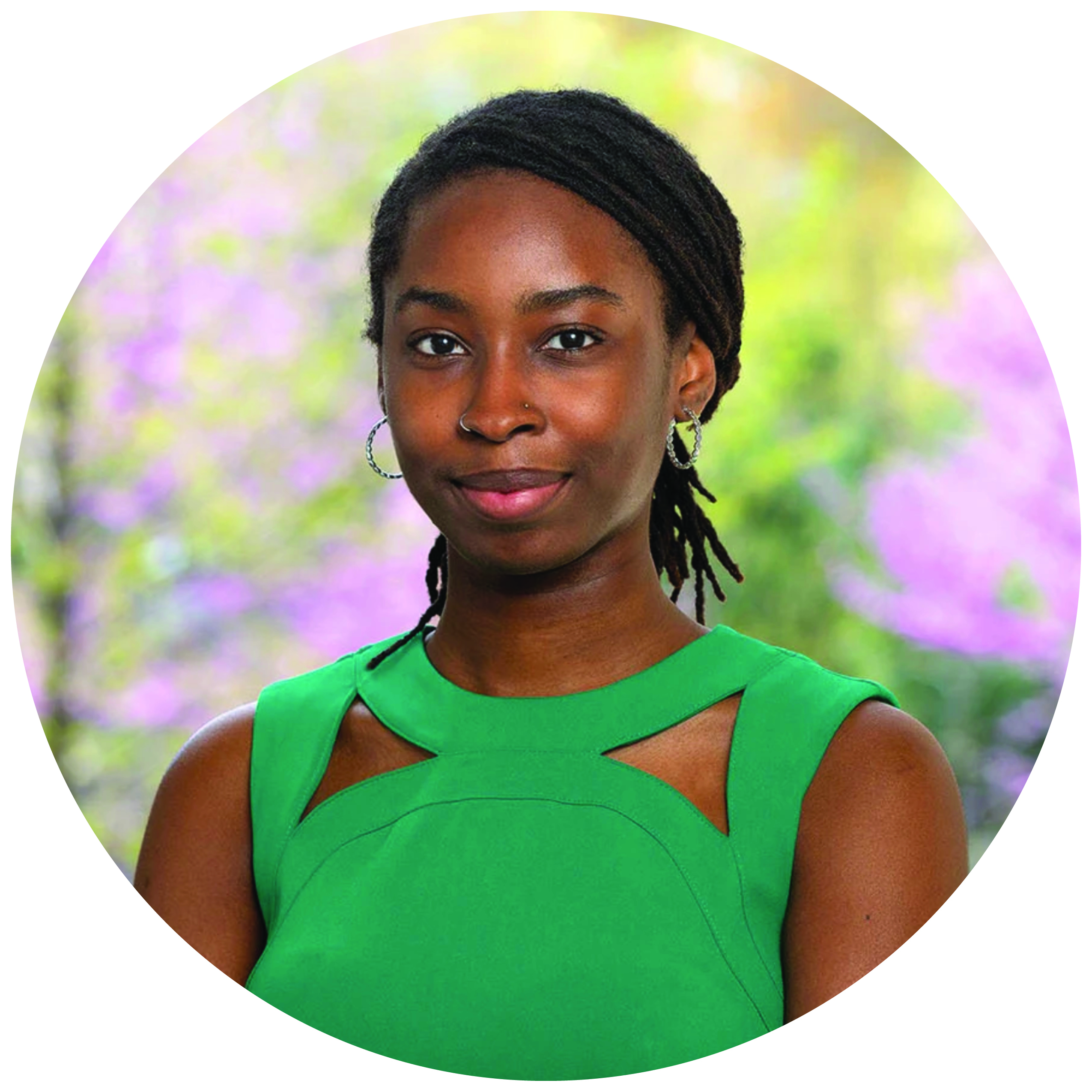
Bilqis
Bilqis is working towards an MD at the Geisel School of Medicine with support from the Wellesley College Graduate Fellowships as the Sarah Perry Wood Medical Fellow
Bilqis Ayeni ’23
Neuroscience
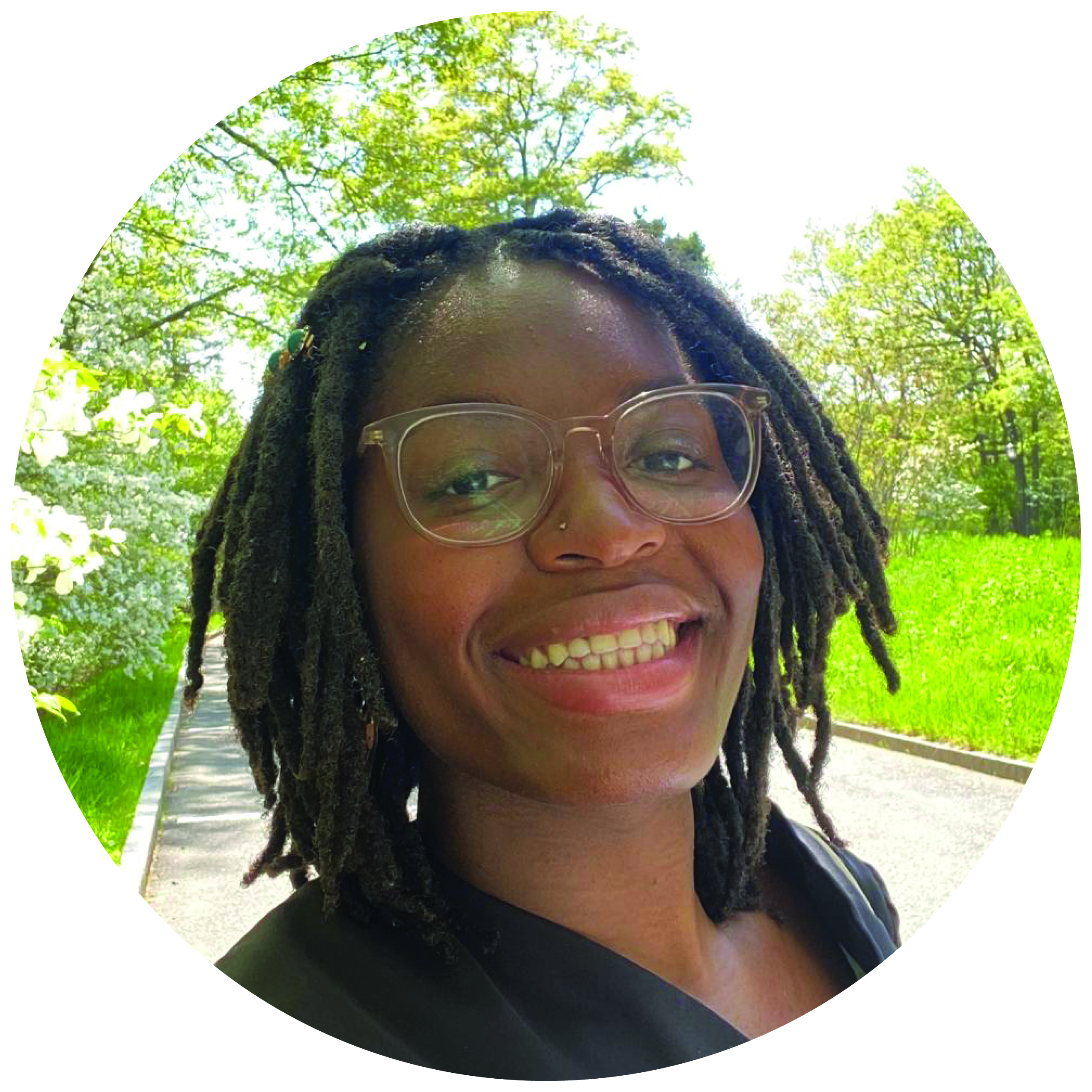
Alexandra
Alexandra is exploring impact of somatic group therapy on psycho-physiological symptoms in Bangalore, India through the Fulbright U.S. Student Program Fulbright-Nehru Open Study Research Award.
Alexandra Mouangue ’24
Psychology
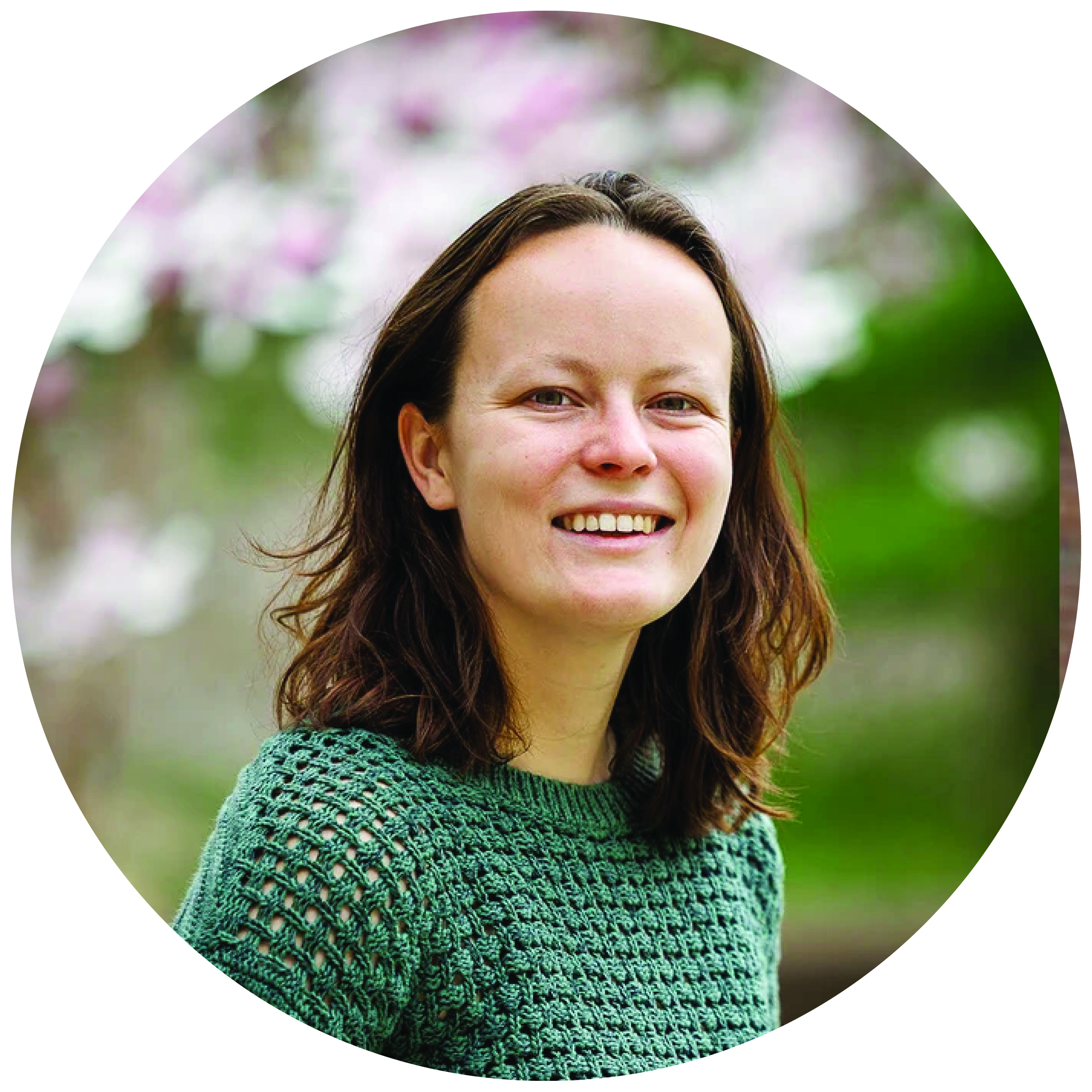
Eshika
Eshika is attending Yale Law School with support from the Paul & Daisy Soros Fellowship for New Americans and the Wellesley College Graduate Fellowships as the Edna V. Moffett Fellow.
Eshika Kaul ’23
Peace & Justice Studies and Economics
Emma
Through the Watson Traveling Fellowship, Emma engaged globally with large-scale literary festivals and grassroots arts programs to understand how writers and artists inspire and support one another to create sustainable programs that build confidence and community
Emma Sullivan ’24
English and Creative Writing and Russian
Sylvia
Sylvia is in the final semester of their Master of Studies in Comparative Literature and Critical Translation at Oxford University with support from the Wellesley College Graduate Fellowships as a Chandler-Ott Fellow.
Sylvia Nica ’24
English and Creative Writing and Russian

FAQs and Myths Worth Busting

Q: My GPA isn’t high enough to ever win a fellowship—why would I even bother applying?

This is probably the question we get asked the most. Here’s the truth: many fellowships and scholarships do not have a minimum GPA requirement! GPA and transcripts are often one of several application components, and committees read those things (like fabulous essays, glowing recs, thoughtful proposals) along with your grades. Bottom line: Don’t count yourself out before you check in with us! 

Q: What are my odds of getting a fellowship?

This is the second most frequent question we get, and honestly there’s not a great answer for it. Along the lines of “you miss 100% of the shoots you don’t take,” the only way to guarantee that you won’t get a fellowship is not to apply. Some fellowships with national/international competitions, by definition, have a bigger applicant pool than those for, say, Wellesley awards. That being said, fellowship applications are about fit and feasibility: are you a good fit for the program, is it a good fit for you, and is what you’re proposing to do feasible? 

Q: How many fellowships should I apply for?

Nine. (Just kidding!)

The truth is, there's no perfect number of fellowships to apply for: it all depends on finding the opportunities that are the best fit for you and managing both the workload of applying and all the other stuff you have going on. Nobody can do that math but you, but a good rule of thumb is that if you spread yourself too thinly, nothing gets your best effort.  

Q: How would I even go about finding an affiliate for something like the Fulbright or the Watson?

An incredible resource available to both students and graduates are Wellesley’s incredible Research Librarians. They are the perfect folks to talk to when you’re not even sure where to start looking—and did you know, you can even book an appointment with them?

Q: I don’t want to bother my professors to ask for a recommendation.

You’re not bothering your professors by asking for recommendations—it’s literally part of their job description! The only way your asking will bother them is if you leave it until the last minute. We recommend a few tactics:

  • Plan ahead: ask at least six to eight weeks in advance of the opportunity deadline, and give them a sense of how many letters you’ll be asking them to submit on your behalf and when. (Letter writers would like to get as much ‘mileage’ out of their letters as possible!)
  • Give them a graceful out: professors may truly want to write you a recommendation but might not be able to if they have too much going on; when you ask, you might say something like, “If for whatever reason your writing on my behalf isn’t possible, I understand and am grateful for your considering it.” 
  • Be prepared for them to ask for a rough draft of your application materials so that they can tailor their letter accordingly.
  • You don’t have to start the conversation by asking for a letter: let them know you’re considering applying for a fellowship or scholarship and that you’d appreciate having a conversation.  Wellesley profs are smart: they’ll read between the lines ;)
  • The Fellowships team is more than happy to help you strategize whom to ask for what letters—in some cases, professional or service letters might be more helpful than an academic letter!